

Cervical Cancer
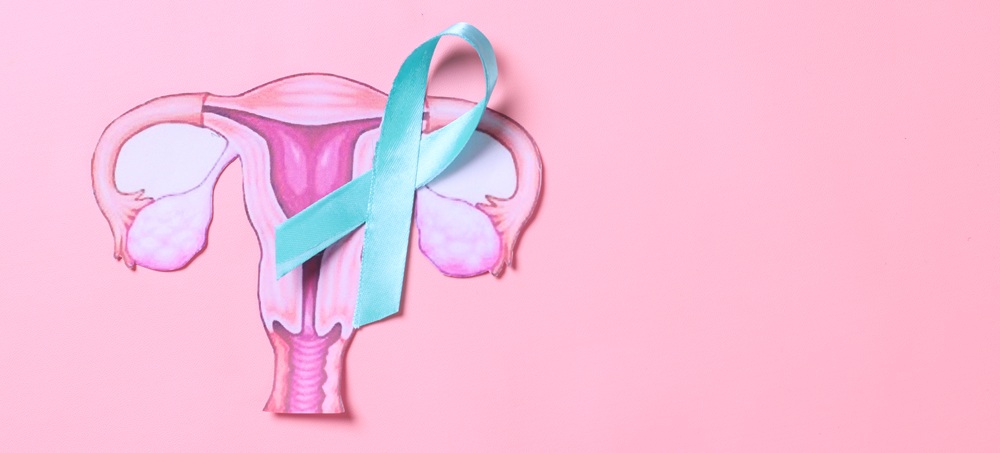
What it is and What the signs are
Cervical cancer is the fourth most common cancer in women, and it can affect anyone with a cervix. It develops in the cervix — the opening between the vagina and the womb — and is most often caused by certain types of Human Papillomavirus (HPV). HPV is an extremely common virus, with more than 100 known types, and most people will come into contact with it at some point in their lives.
Although cervical cancer can affect adults of any age, it is one of the most common cancers in women aged 20 to 29. The disease usually grows slowly, and early changes to cervical cells can often be found and treated before cancer develops. This is why cervical screening is so important — it helps detect abnormal cells early, long before symptoms appear.
Common Symptoms
Cervical cancer does not always cause symptoms in its early stages, but signs to look out for include:
- Abnormal vaginal bleeding during or after sex, or between periods
- Blood‑tinged vaginal discharge
- Menstrual bleeding that is heavier or lasts longer than usual
- Persistent pelvic or lower back pain
- Pain during sexual intercourse
These symptoms can be caused by many conditions, not just cervical cancer, but they should never be ignored. Anyone experiencing them should speak to a healthcare professional for advice.
Why Awareness Matters
Nearly all cervical cancers are linked to HPV infection, but with awareness, screening, and timely support, many cases can be prevented or detected early. Understanding the signs, knowing your body, and feeling confident to ask for help are vital steps in protecting your health.
For help, support, or advice, you can contact the foundation at: info@fkcfoundation.co.uk
Did you know
According to the Cancer Research UK, there are around 880 cervical cancer deaths in the UK every year, that is more than 2 every day!